Technology
NVIDIA Opens Isaac GR00T Reference Robot: 75 DOF, Jetson Thor, and a New Physical AI Baseline
NVIDIA announced the Isaac GR00T Reference Humanoid Robot at GTC Taipei, pairing a 75-DOF Unitree H2 Plus system with Jetson Thor and open development workflows for physical AI research.
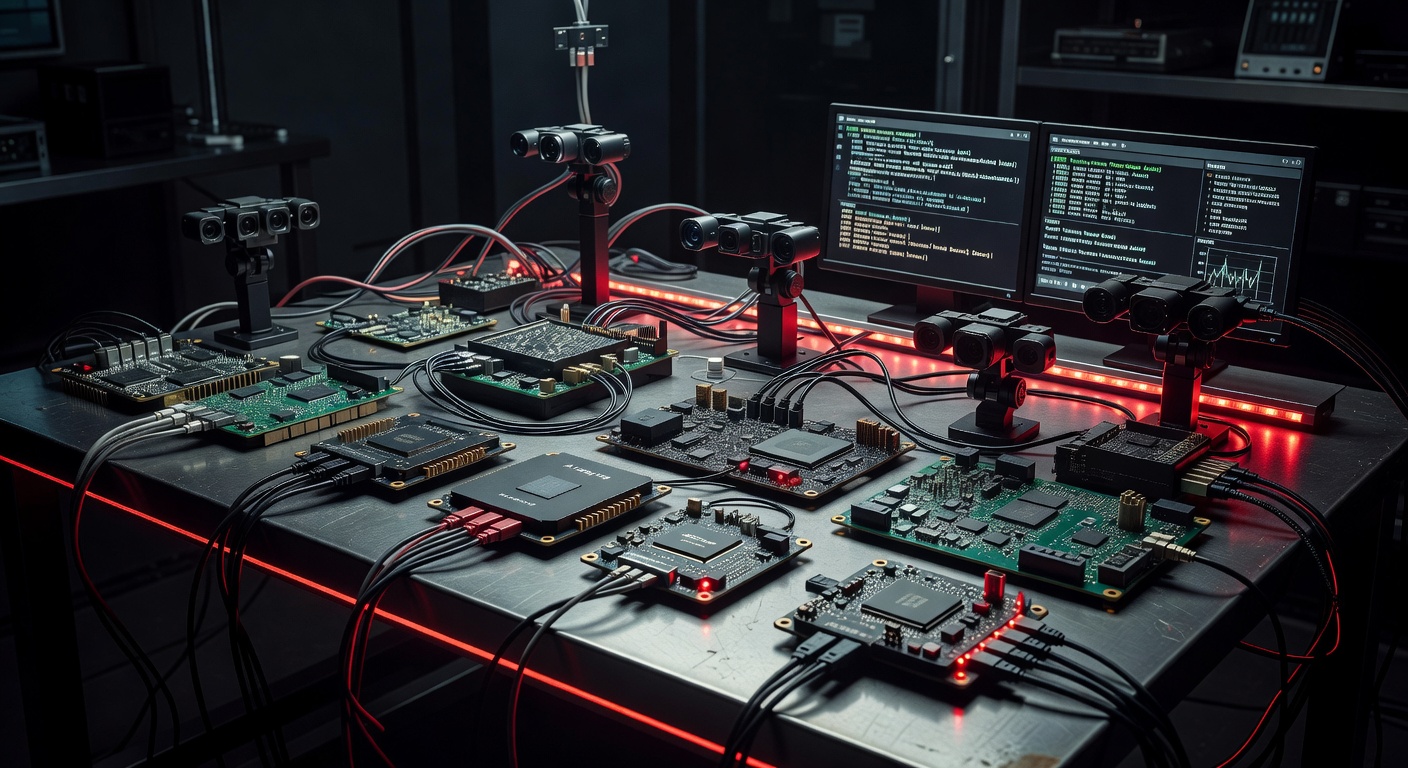
NVIDIA used GTC Taipei at Computex 2026 to announce the Isaac GR00T Reference Humanoid Robot, an open research platform built around a 75-degree-of-freedom system, Jetson AGX Thor T5000 compute, and the Isaac GR00T software stack.
The news is not a factory deployment or a consumer launch. It is a reference design for researchers, but it matters because humanoid development is still fragmented across hardware integration, teleoperation, simulation, data capture, policy training, and real-world validation. NVIDIA is trying to turn that scattered toolchain into a repeatable physical AI pipeline.
Key Stats
75 DOF
Full System Mobility
2,070
FP4 TFLOPS
128 GB
Unified Memory
Late 2026
Unitree Availability
How the Isaac GR00T Reference Design Works
The reference design combines a Unitree H2 Plus humanoid chassis, Sharpa Wave tactile five-finger hands, NVIDIA Jetson Thor compute, and the Isaac GR00T development platform. NVIDIA describes it as the first open humanoid robot reference design built on Jetson Thor and Isaac GR00T, aimed first at academic and research institutions rather than commercial fleet operators.
The hardware numbers are specific. The Unitree H2 body stands nearly 6 feet tall, weighs 150 pounds, and has 31 degrees of freedom across the body. The dual Sharpa hands add 22 active degrees of freedom for dexterous manipulation, bringing the total to 75 degrees of freedom across body and hands. The sensing package includes a head-mounted stereo camera with a 140-degree horizontal field of view, wrist cameras for close manipulation, an inertial measurement unit, microphones, speakers, and standard connectivity through Ethernet, Wi-Fi 6, Bluetooth 5.2, and USB.
The compute stack is the real NVIDIA layer. Jetson AGX Thor T5000 brings a Blackwell GPU rated at 2,070 FP4 teraflops, a 14-core Arm CPU, 128 GB of unified memory, and a configurable 40-watt to 130-watt power envelope. On a robot, that matters because perception, policy inference, safety monitoring, speech, and low-latency control cannot all wait for a cloud round trip.
Battery capacity is listed at 15 Ah, or 0.972 kWh, with about three hours of operation. The arms are rated up to 120 newton-meters of torque, the legs up to 360 newton-meters, with a 7-kilogram rated arm payload and 15-kilogram peak payload. These are research-platform specs, not proof of production economics, but they make the platform serious enough for loco-manipulation work rather than only tabletop demonstrations.
Key Insight
The practical value is standardization. If more labs train, test, and compare robot behaviors on a shared physical and software platform, the field gets cleaner data faster.
Under the Hood: The Physical AI Pipeline
Isaac GR00T is not just a robot brain in the narrow sense. It is a development workflow that covers data collection, simulation, model training, evaluation, middleware, and deployment. NVIDIA highlighted Isaac Teleop for collecting demonstrations, Isaac GR00T open foundation models for reasoning and multitask behavior, Isaac Sim and Isaac Lab for simulation and policy training, Isaac ROS for deployment middleware, and Jetson Thor for onboard inference.
That stack targets a stubborn bottleneck in humanoid robotics. Building a robot body is difficult, but building a reliable development pipeline around the body is just as hard. Teams need to capture useful demonstrations, convert them into training data, simulate edge cases, test learned policies, deploy them to hardware, gather failures, and repeat. Every company that rebuilds that infrastructure from scratch burns months on plumbing before it reaches useful behavior.
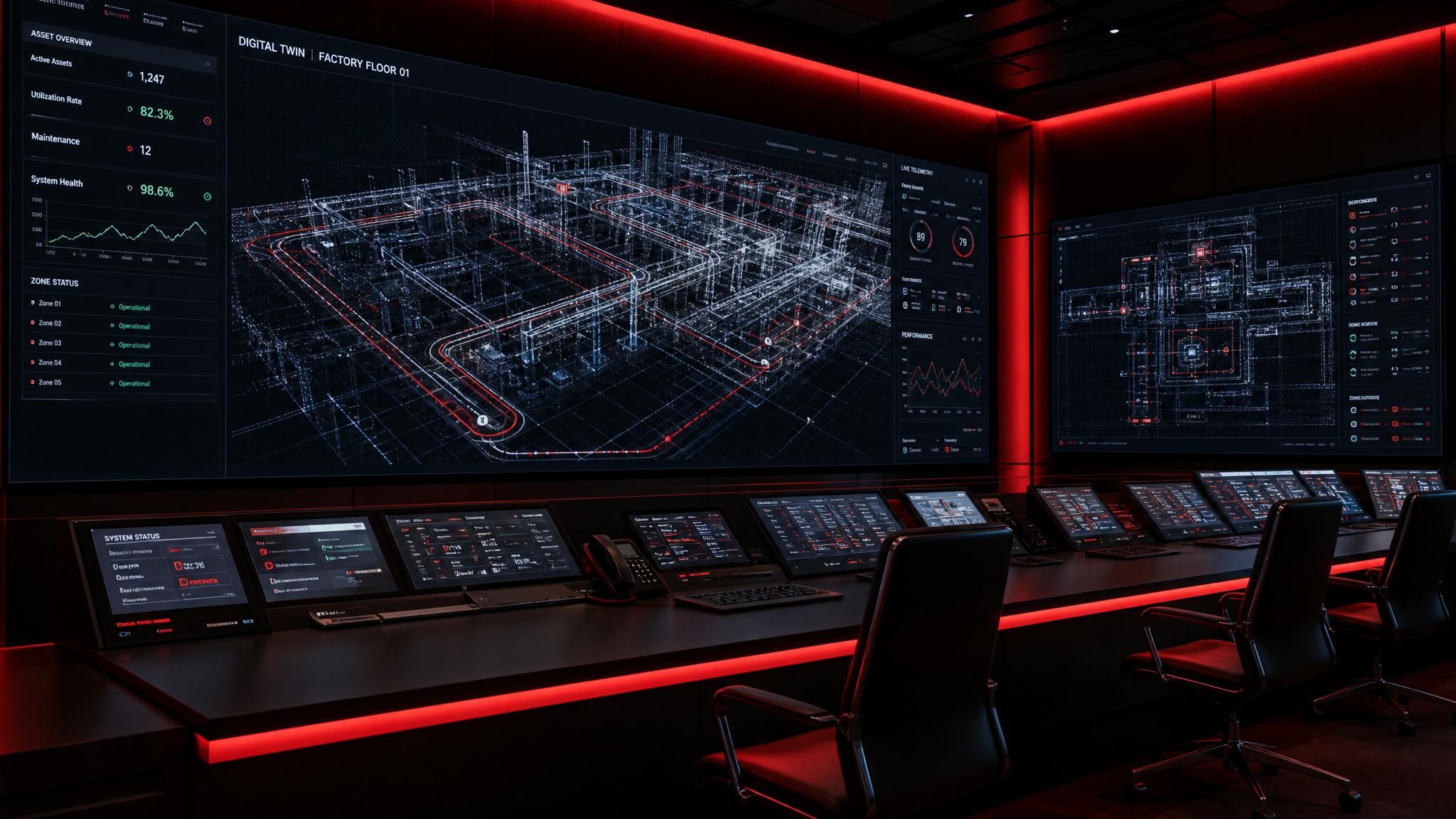 AI-generated image
Simulation, data generation, and policy testing are becoming core infrastructure for humanoid development. Source: AI-generated editorial image.
The GR00T reference workflow also supports Unitree G1, which gives the platform a lower-cost entry point for researchers who do not need the full H2 Plus configuration. NVIDIA says the Unitree G1 workflow is expected on GitHub and Hugging Face soon. That detail matters because robotics adoption often starts with software examples that labs can clone, modify, and benchmark before buying expensive hardware.
| Spec | Isaac GR00T Reference Robot | Unitree G1 Workflow | Typical Closed Platform |
|---|---|---|---|
| Primary Use | Frontier humanoid research | Lower-cost development path | Vendor-specific deployment |
| Degrees of Freedom | 75 total with hands | Model-dependent | Often undisclosed or fixed |
| Compute | Jetson AGX Thor T5000 | Workflow support planned | Proprietary edge stack |
| Software Access | Open models and workflows | GitHub and Hugging Face expected | Limited APIs |
| Availability | Late 2026 through Unitree | Workflow expected soon | Vendor controlled |
Who's Building the Platform
The announcement pulls together three visible companies. NVIDIA supplies the compute and software stack, including Jetson Thor, Isaac GR00T, Isaac Sim, Isaac Lab, Isaac ROS, and teleoperation tooling. Unitree Robotics supplies the H2 Plus humanoid body and will make the complete system available in late 2026. Sharpa supplies the Wave tactile five-finger hands, which give the system the manipulation hardware needed for research beyond walking.
The early user list is equally important. NVIDIA named Ai2, ETH Zurich, Stanford Robotics Center, UC San Diego's Advanced Robotics and Controls Laboratory, and NVIDIA Research as groups that will use the reference design. These institutions are not buying robots to staff factories. They are likely to test policy learning, loco-manipulation, tactile interaction, shared benchmarks, open models, and sim-to-real transfer.
That research angle is why the announcement fits a different category from Figure, Agility, Tesla, or UBTECH deployment news. NVIDIA is not claiming thousands of humanoids entering service. It is building the substrate that many hardware companies, labs, and developers may use to make their own machines more capable.
NVIDIA
Compute, simulation, foundation models, ROS middleware, and the developer workflow.
Unitree
The H2 Plus human-scale body and late-2026 hardware availability channel.
Sharpa
Tactile five-finger hands for contact-rich manipulation research.
What This Means for Humanoid Developers
A shared reference platform can reduce one of the field's biggest inefficiencies: every lab proving the same basics before it can test a new idea. If a team can start with a known body, known sensors, known compute, open workflows, and reusable training examples, it can spend more effort on manipulation, recovery, task learning, and safety validation.
For startups, the reference design could become a recruiting and benchmarking tool. Engineers trained on Isaac GR00T workflows may move between labs and companies with transferable skills. Investors may also get cleaner comparisons between teams using the same simulation, data, and policy pipeline. For buyers, the impact is indirect. Better research tooling does not create immediate warehouse value, but it can shorten the distance between lab capabilities and operational pilots.
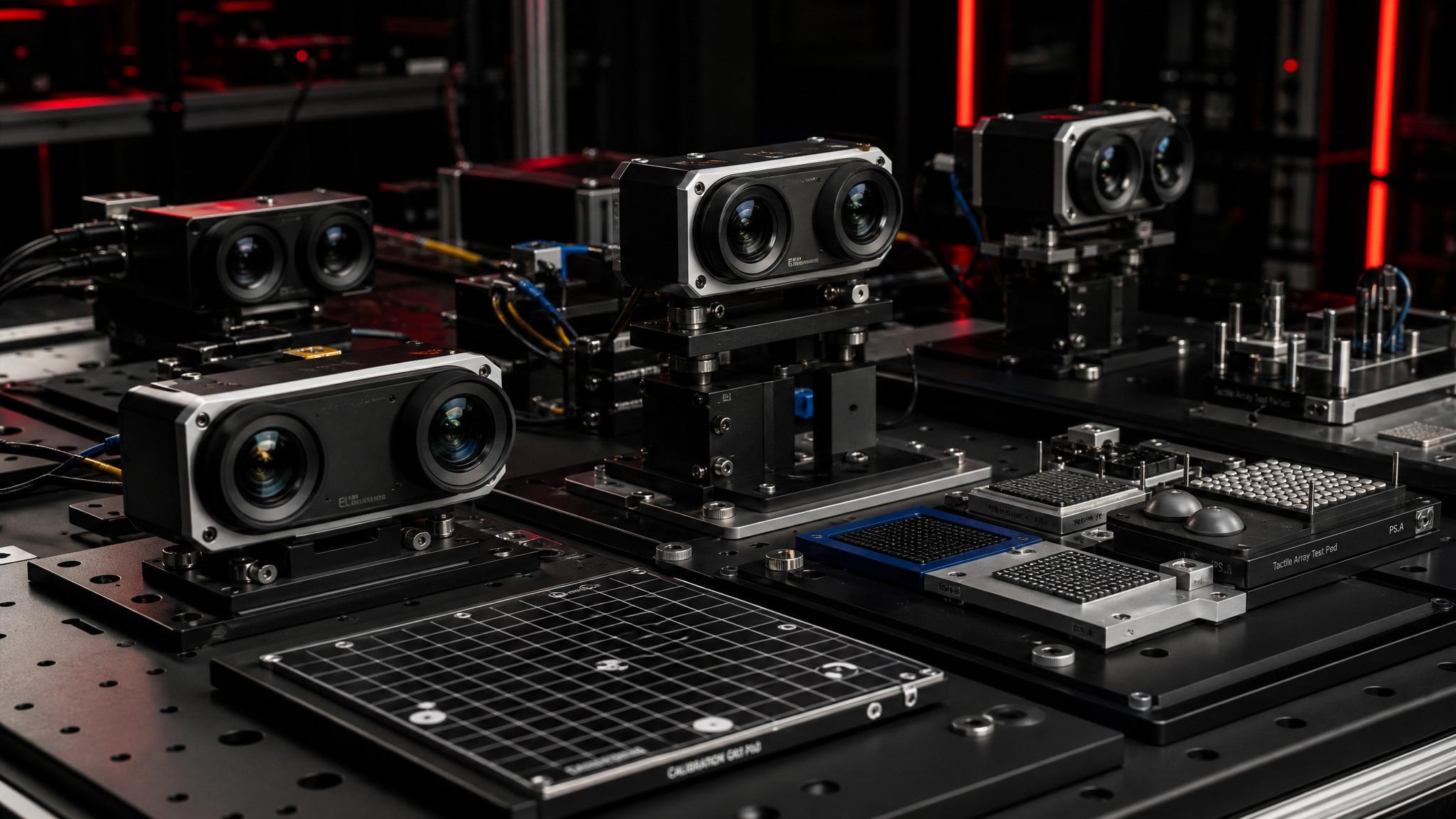 AI-generated image
Sensor fusion and tactile data are becoming as important as legged locomotion in the humanoid research stack. Source: AI-generated editorial image.
The risk is that the market mistakes infrastructure for deployment. Late-2026 availability means the full H2 Plus reference robot is not an immediate commercial fleet product. The strongest near-term signal is platform maturity: NVIDIA wants physical AI development to look more like a repeatable compute workflow and less like bespoke robotics craft.
Commercial Reality Check
• Customer status: Research institutions named, not industrial customers.
• Robot count: Not disclosed.
• Availability: Unitree H2 Plus is expected in late 2026.
• Main value: Development infrastructure, not immediate labor replacement.
What's Coming Next
The next milestones are software availability, first research use, and public benchmarks. Watch for the Unitree G1 reference workflow on GitHub and Hugging Face, early lab demonstrations from Stanford, ETH Zurich, Ai2, UC San Diego, and NVIDIA Research, and any standardized tasks that let researchers compare policies across the same hardware and simulation stack.
The bigger industry question is whether open reference designs can pull humanoid robotics toward shared baselines. Closed platforms move faster when a company controls every variable. Open platforms move faster when many teams improve the same tools. NVIDIA is betting that physical AI needs the second model badly enough to justify a full-stack reference robot.
Frequently Asked Questions
Is NVIDIA selling a humanoid robot?
NVIDIA announced an open reference design for research, not a mass-market robot product. Unitree will make the H2 Plus hardware available in late 2026, while NVIDIA supplies the compute and Isaac GR00T development stack.
What does 75 degrees of freedom mean?
Degrees of freedom describe independently controllable motions in the robot body and hands. In this design, the Unitree H2 body provides 31 degrees of freedom and the Sharpa Wave hands bring the total to 75 across the full system.
Why is Jetson Thor important for humanoids?
Jetson AGX Thor T5000 gives the robot onboard AI compute with 2,070 FP4 teraflops, 128 GB of unified memory, and a 40-watt to 130-watt power range. That lets perception and policy inference run close to the sensors and actuators, which is critical for low-latency physical behavior.
Does this mean humanoid robots are ready for deployment?
No. The announcement improves the research and development pipeline, but it does not report a factory rollout, pilot count, uptime result, or customer deployment. It should be read as infrastructure for future robot capability.
The 12-Month Outlook
NVIDIA's GR00T reference design gives the humanoid sector a clearer research baseline at a moment when the market is crowded with demos, pilots, and aggressive production claims. The reference robot will not settle the commercial race in 2026, but it can make the research pipeline more comparable and less redundant.
The strongest proof will come from what researchers publish on top of it: shared datasets, reproducible policies, failure reports, dexterity benchmarks, and sim-to-real methods that other teams can use. If those appear, this announcement will look less like another robot unveiling and more like a platform shift for physical AI.
The Bottom Line: NVIDIA is standardizing the humanoid development stack before humanoids standardize the workplace.
For bipedal robotics, that is a meaningful signal. The companies that win may not be the ones with the flashiest walking clips. They may be the ones with the best data loop from real sensors to simulated failures to deployable skills.