Physical AI
Figure Index Turns Household Chores Into Training Data for Humanoid Robots
Figure Index recruits people to record chores and workplace tasks for Helix training. Biped tested the signup flow, verified the iPhone and Android apps, and examines what Figure’s 16 million-video pipeline does—and does not—prove.

Figure AI has turned one of humanoid robotics’ hardest bottlenecks into a consumer app: finding enough varied examples of people doing real physical work. Its new Index system pays approved contributors to record everyday tasks—from folding laundry and making beds to restaurant work and factory jobs—then filters, deduplicates, rebalances and annotates those videos for use in Figure’s robot-learning pipeline.
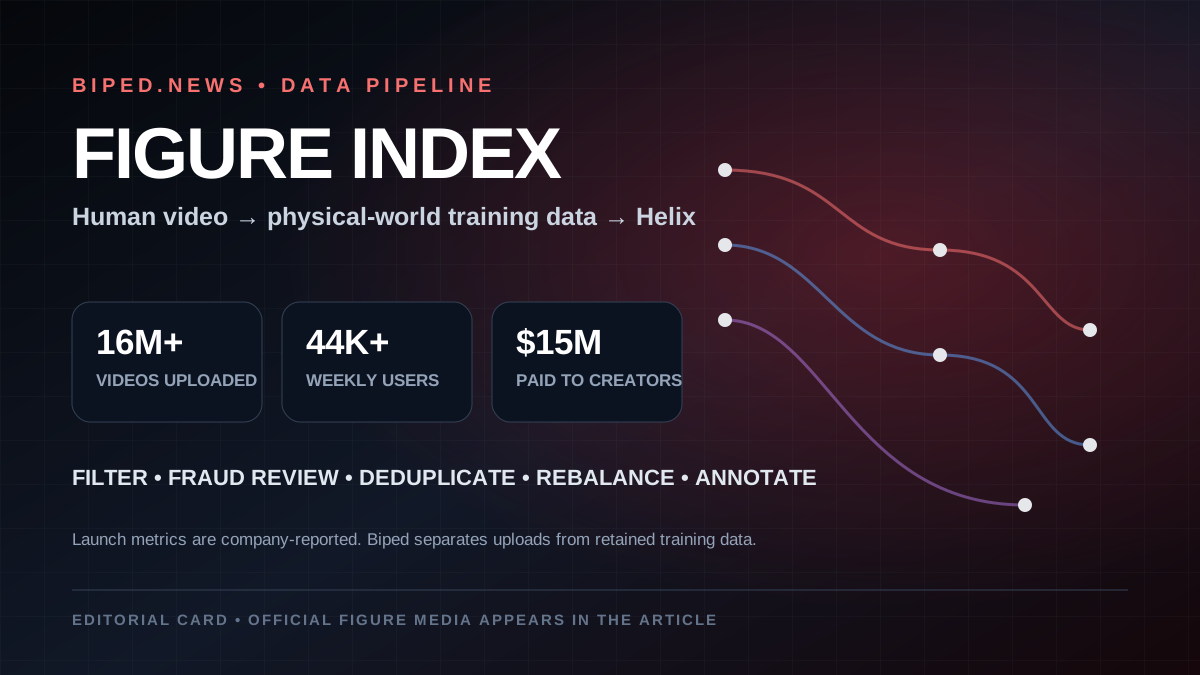
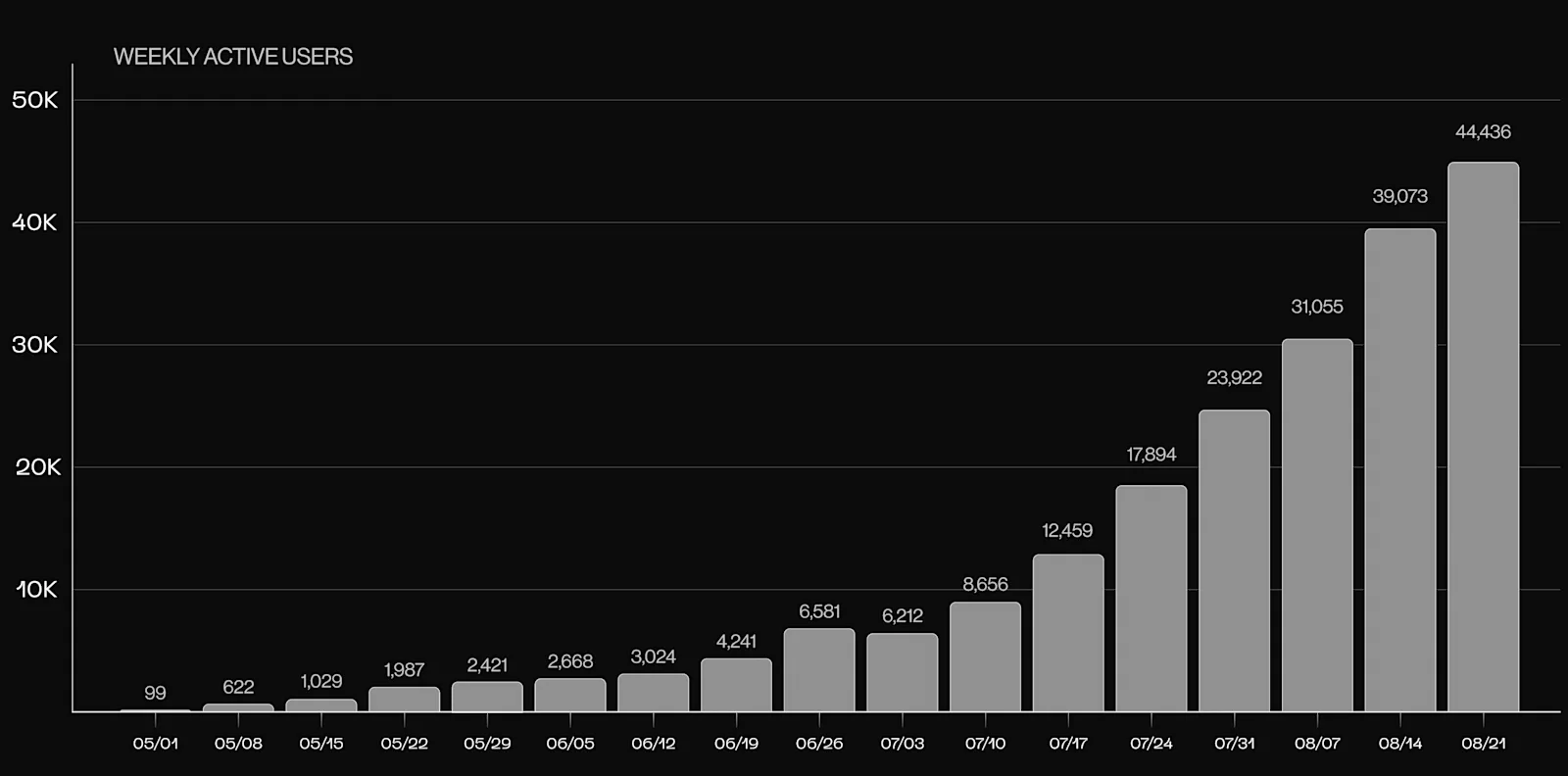
The scale Figure reported when it publicly launched Index on August 25, 2026 is already striking: 264,000 app downloads, more than 44,000 weekly active users, more than 16 million uploaded videos and $15 million paid to contributors. Figure says video is arriving at roughly 30 minutes per second, equivalent to about 4.9 years of recorded human work every day. Those are company-reported product metrics, not independently audited dataset measurements, but they illustrate the size of Figure’s bet: the company says it plans to spend more than $1 billion on data and compute over the next 12 months.
Want to participate?
You sign up through the Figure INDEX app
Figure’s storefront listings currently describe an application and waiting-list process rather than instant approval. Accepted Creators receive a recording device and can be paid by the minute for approved task recordings.
Index is a data factory, not an open research download
The word “dataset” can make Index sound like a file researchers can download. That is not what Figure has announced. Figure describes a Figure-exclusive collection and processing pipeline feeding its Helix AI stack. The company has not published the underlying video corpus, a downloadable dataset card, retained-hour count, train/test split or a public benchmark tied to a specific Index snapshot.
That distinction matters. The headline number—16 million uploaded videos—describes submissions entering the system, not necessarily 16 million training examples that survive quality control. Figure’s own pipeline is designed to reject material along the way. Biped therefore treats download counts, active users, uploaded video volume and final usable training data as separate quantities.
How Figure says the pipeline works
Index is trying to solve a specific problem: general-purpose robots encounter a much wider distribution of objects, layouts, lighting, clutter, human habits and failure cases than any single robotics lab or factory pilot can efficiently reproduce. Figure says every 1,000 hours collected through Index contains roughly 373 unique tasks, 1,146 manipulated objects and 116 environments. The diversity comes from sending data collection out into the world rather than keeping it inside a controlled robot fleet.

Figure describes five processing stages. Automated filters first reject recordings that miss technical, visual or semantic quality requirements. Human analysts review samples for attempts to game the system. Videos are embedded and compared to accepted material so highly similar segments can be removed. The remaining data is rebalanced using task quotas and embedding clusters, and Figure then generates hierarchical text captions for each episode.
That is a more important part of the story than the raw upload count. A million nearly identical videos of one easy task would be much less useful than a smaller set spanning different homes, object geometries, execution styles and edge cases. Index is explicitly designed to buy diversity and then prevent the most common behaviors from overwhelming the long tail.
Why human chore video could help Helix
Figure has been moving toward human-video pretraining for more than a year. Its September 2025 Project Go-Big described internet-scale humanoid pretraining and direct human-to-robot transfer, while its Brookfield partnership gave Figure access to residential, office and logistics environments for data collection. Index takes that strategy from curated partnerships to a global contributor network.
The attraction is straightforward: people already know how to manipulate the physical world. A person making a bed, loading a dishwasher or sorting groceries demonstrates object choice, sequencing, contact, recovery and a huge amount of common-sense context. A robot fleet can collect higher-fidelity robot state and action data, but it is expensive and limited by the number of robots Figure can deploy. Human video is far cheaper to scale.
But human video is not automatically robot-control data. A head-mounted video does not directly contain Figure 03 joint torques, gripper forces or motor commands. The technical question is how effectively Helix can turn visual demonstrations and language descriptions into representations that transfer to a humanoid body. Figure says its internal generalization results validate the approach, but it has not yet published enough Index-specific evaluation detail for outsiders to quantify the gain.
Biped tried the signup process
Biped.News registered an editorial account in the Figure INDEX Android app and applied to participate in household-chore data collection. The account is currently on the waiting list. That matches the language in both the Apple App Store and Google Play listings, which say demand is high and applicants are placed on a list until Figure is ready to accept them.
So downloading the app is not the same as becoming an approved paid Creator. Figure says accepted contributors receive a recording device, perform approved everyday tasks and are paid by the minute. The app also supports the other side of the marketplace: households can request a Creator to come help with chores, and businesses can request data collection in settings including logistics, restaurants, factories and offices.
Evidence boundary
Confirmed: the public apps exist, the application/wait-list flow is live, and Figure publicly describes its collection and processing architecture. Company-reported: contributor counts, upload volume, payout totals, diversity statistics and the planned $1B data-and-compute spend. Not publicly disclosed: how many uploaded hours survive processing, acceptance rates, the exact sensor package sent to Creators, and the measured Index contribution to a named Helix benchmark.
The privacy tradeoff is unusually concrete
Index is valuable precisely because homes and workplaces are messy, personal and varied. That also makes privacy central to the product. Apple’s current developer-supplied privacy disclosure says the iPhone app may collect and link coarse location, contact information, user identifiers and other data to a person. Google Play says the Android app may collect location, personal information and other categories, and may share location and personal information with third parties. Both storefronts are relaying information supplied by Figure rather than independently verifying those practices.
The more important issue is the recording itself. Figure’s Index-specific privacy policy says its sensory-data category can include photos, video, audio or other recordings of a Creator and/or the Creator’s environment, plus characteristics derived from those recordings. The policy says this personal data can be disclosed to service providers, affiliates, authorized third parties, employers and commercial purchasers. It also says Figure may sell or disclose personal data collected through the app to commercial purchasers for their own commercial purposes, including marketing, analytics, research and product development. Depending on jurisdiction, the policy describes rights including access, erasure, objection, processing restrictions and an opt-out of sale.
First-person task video can incidentally capture family members, faces, addresses, screens, paperwork, possessions, conversations and the geometry of a private home. Anyone considering Index should read the current Index Privacy Policy, understand what the recording device captures, and treat consent from other people in the environment as a real requirement rather than an afterthought.
Why this matters for the humanoid race
The competitive implication is bigger than a gig-work app. Humanoid companies increasingly have access to similar GPUs, simulation tools, vision models and actuator suppliers. Proprietary physical-world data may become one of the harder advantages to copy. Figure is trying to create a flywheel: pay people to collect diverse physical behavior, use that data to improve Helix, deploy more capable Figure robots, and eventually replace some human service work with robots that generate still more robot-native data.
If the flywheel works, Index could become one of Figure’s most consequential assets even though consumers never see it inside Figure 03. If it does not, Figure may discover that scaling human video is much easier than converting it into reliable autonomous manipulation. The next evidence Biped wants is not another upload milestone. It is a controlled demonstration that a Helix model trained with Index data succeeds on unfamiliar household tasks materially more often than a comparable model trained without it.
What to watch next
The most useful next disclosures would be the number of post-filter training hours, contributor acceptance and rejection rates, a clearer task taxonomy, sensor specifications for the recording device, privacy/de-identification procedures, and an Index-specific model ablation showing how much the data improves transfer to Figure 03. Those would turn a compelling scale story into a measurable robotics result.
For now, Index is a serious signal because Figure has built something the humanoid industry has mostly discussed in theory: a consumer-scale mechanism for purchasing diverse physical experience. Whether that becomes a durable intelligence advantage will depend on the quality of the retained data—and on how much of what humans demonstrate can actually survive the jump into a robot body.